Skip to content
No More Forever Chemicals

No More Forever Chemicals

Protecting your home from forever chemicals

PFAS — known as forever chemicals — are hiding in everyday products. You can't see or smell them, but science shows they may be seriously affecting your health.

Last updated

Quick risk snapshot

PFAS in your home

Answer on this page. No email is required. The three result guides below are always visible.

Do you use non-stick pans? Count how many items you select to read your PFAS risk level in the results.
Which of these do you have?
Are there baby products with moisture-wicking fabric in the home?

Yes to non-stick pans counts as 2 points and Sometimes counts as 1. Stain-resistant furniture, waterproof makeup, and raincoats count as 1 point each. A water filter is not counted, because this site treats filtration as a way to reduce exposure rather than a source. Yes to moisture-wicking baby products counts as 2 points. 0–1 is a lower snapshot, 2–3 is mixed, and 4 or more is higher. This is a household-source snapshot, not a medical test.

Choose an answer for the pan question and the baby-products question to highlight a snapshot.

Lower snapshot0–1 points

Few of the household sources in this quiz turned up: non-stick pans, stain-resistant furniture, waterproof makeup, raincoats, and moisture-wicking baby fabrics. The guides on this site still describe PFAS as widespread in drinking water and food packaging, so the water and kitchen articles are the next place to read.

Mixed snapshot2–3 points

A few of those common sources showed up. The practical swaps described across the guides start with cookware — stainless steel or cast iron instead of non-stick — and with drinking water.

Higher snapshot4 or more points

Several answers match products this site calls out as common PFAS sources: non-stick pans, stain-resistant or water-repellent textiles, waterproof makeup, or moisture-wicking baby fabrics. The room-by-room guide suggests swapping gradually, starting with cookware and water, then textiles and personal care.

The newsletter is optional. Sign up for the twice-a-month newsletter.

They're in your food. Your water. Your home.

Nearly everyone

Recent studies show PFAS detected in the blood of nearly every person tested globally.

1,000+ years

Estimated time for most PFAS variants to degrade in typical landfill conditions.

Global reach

Contamination has been found in remote Arctic ice cap samples and deep-sea life.

Dive into the research

What are forever chemicals and PFAS?

PFAS (per- and polyfluoroalkyl substances) are a family of over 12,000 synthetic chemicals manufactured since the 1940s. Their carbon-fluorine bond is one of the strongest in chemistry, making them resistant to water, oil, and heat — and nearly impossible to break down. They persist in the environment for centuries and accumulate in the human body for years. That is why they are called forever chemicals.

Where are they found?

Kitchen and food

Non-stick cookware, parchment paper, and air fryers. Grease-resistant food packaging and fast food wrappers.

Water and food supply

Tap water near military bases, airports, and industrial sites. Freshwater fish and produce grown near contaminated land.

Home and clothing

Stain-resistant carpet, furniture, and mattress coatings. Water-repellent jackets, rain gear, and athletic wear.

Baby and children's products

Disposable diapers, stain-resistant clothing, and crib mattresses.

Personal care

Waterproof cosmetics, shampoos, and PTFE-based dental floss.

Curated PFAS-free guide

Discover alternatives the site highlights for a less toxic kitchen, home textiles, and personal care.

Kitchen counter with cookware

Kitchen essentials

Switch to high-grade stainless steel and cast iron cookware collections described on this site as free from forever-chemical coatings.

View products
Folded neutral textiles and bedding

Textiles and bedding

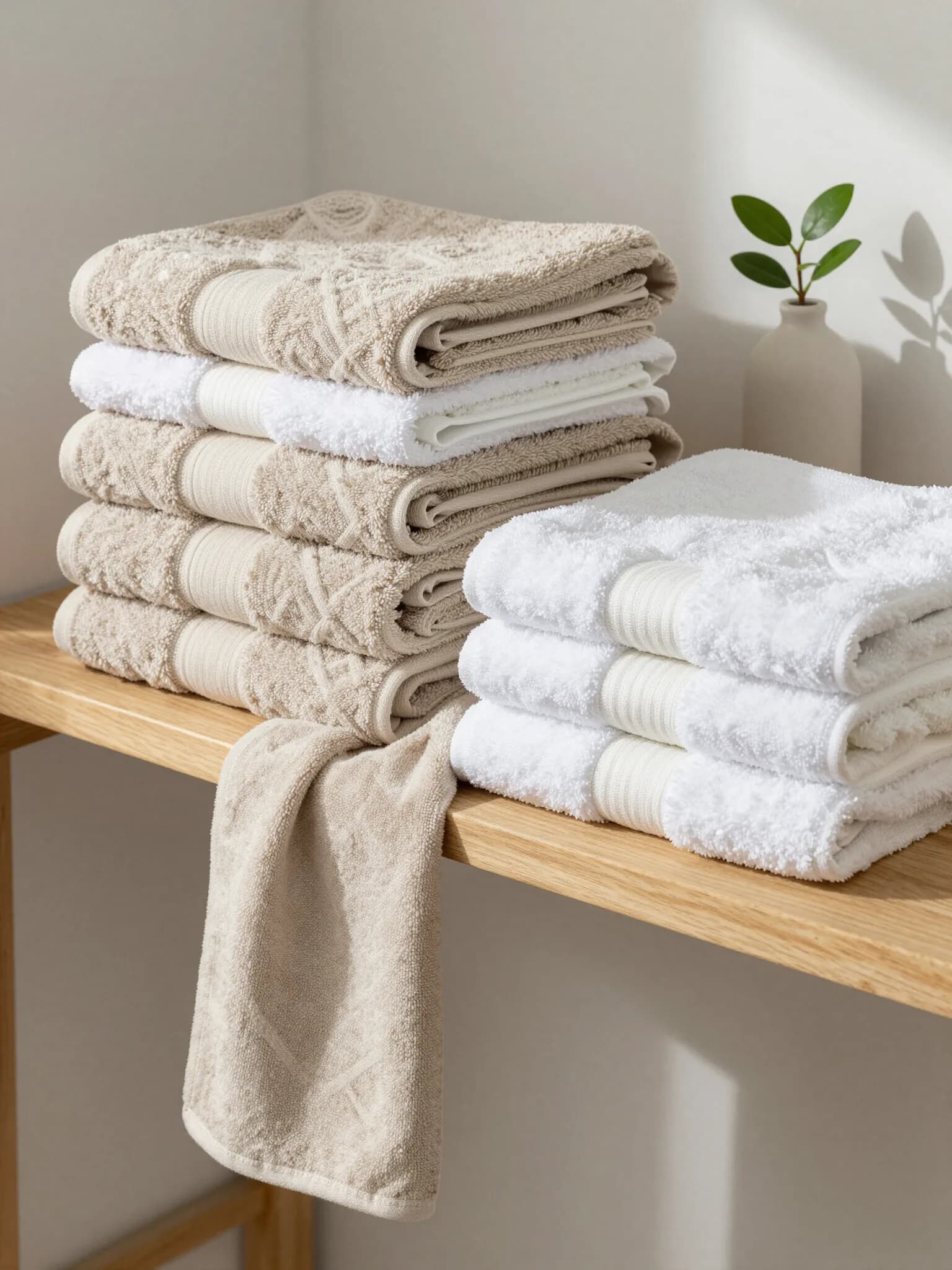
The original home page points to organic textiles as a swap for moisture-wicking synthetic coatings.

Shop textiles
Personal care bottles on a bathroom shelf

Personal care

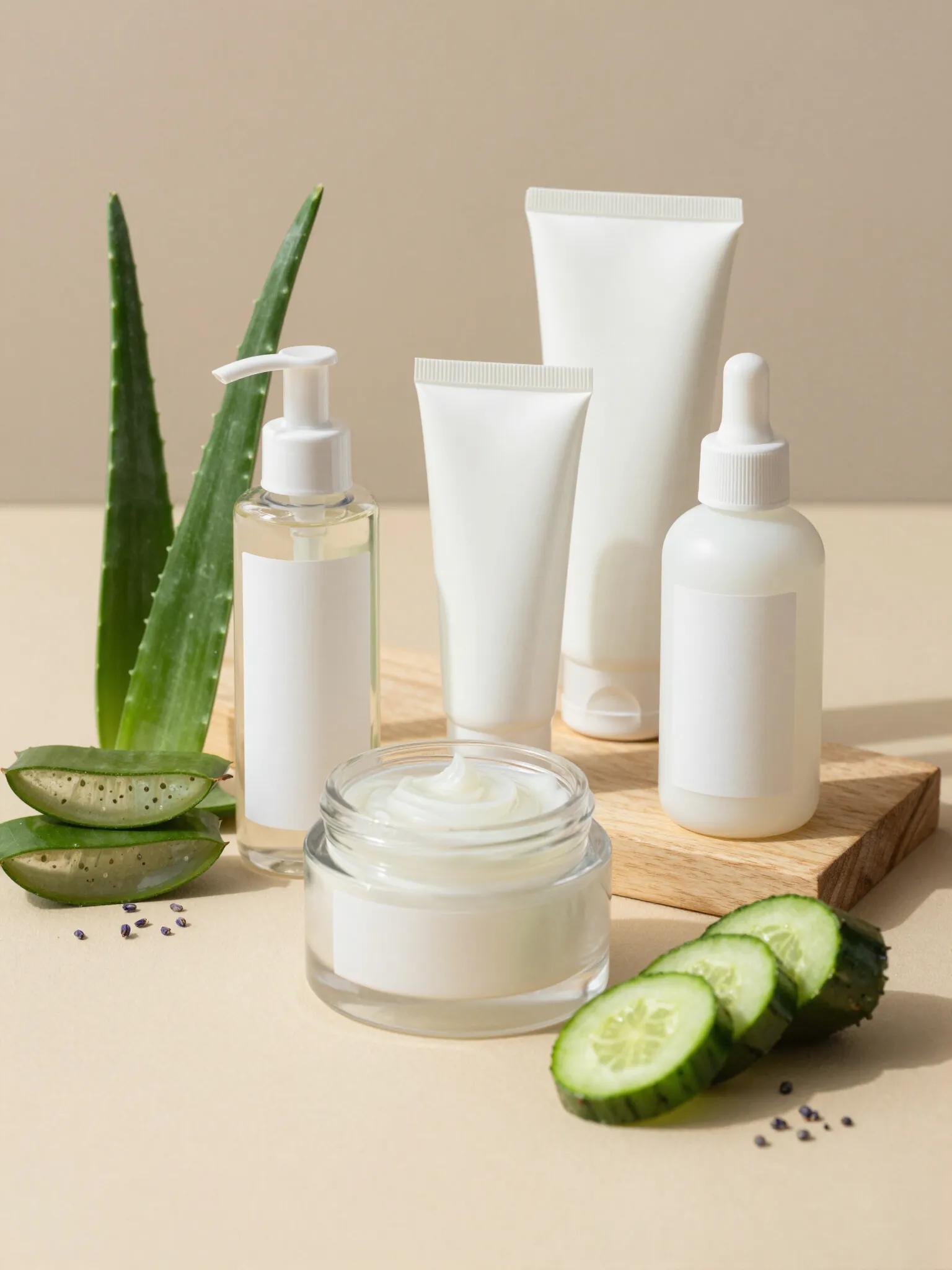
Cosmetics and skincare the site describes as audited for PFAS-free formulations.

Explore personal care
Illustration from the research section

Empirical data 2026

The latest science on PFAS persistence

Bioaccumulation in water systems

Recent longitudinal studies demonstrate how forever chemicals infiltrate local aquifers, persisting for decades without natural degradation. Understanding these cycles is the first step toward effective filtration and community protection.

Advances in non-toxic materials

Emerging research highlights biodegradable alternatives that rival the performance of PFAS-based coatings in cookware and textiles. The blog tracks the swaps you can make now.

Read all articles

Deep dives into PFAS research

The latest updates, research breakthroughs, and community guides on living with fewer forever chemicals.

From the blog

PFAS & Health · October 8, 2026

Best PFAS-Free Cookware in 2026: Nonstick Pan Alternatives Compared

Quick answer: cast iron, carbon steel, stainless steel, enameled cast iron and ceramic-coated pans all cook without PTFE (Teflon). Here's how they compare on stick resistance, care, heat limits and price, and which one to buy first.

No More Forever Chemicals

Guide · September 18, 2026

Exploring the Impact of PFAS: What You Need to Know

You’ve probably heard the term PFAS floating around in the news or online. But what exactly are these chemicals, and why should you care? PFAS, or per- and polyfluoroalkyl substances, are a group of man-made…

No More Forever Chemicals

Common questions

What are PFAS and forever chemicals?

PFAS (per- and polyfluoroalkyl substances) are a family of over 12,000 synthetic chemicals manufactured since the 1940s. Their carbon-fluorine bond is one of the strongest in chemistry, which makes them resistant to water, oil, and heat, and nearly impossible to break down. They persist in the environment for centuries and accumulate in the human body for years. That is why they are called forever chemicals.

Where do forever chemicals show up at home?

The home guide lists the kitchen (non-stick cookware, parchment paper, air fryers, and grease-resistant food packaging), tap water near military bases, airports, and industrial sites, stain-resistant carpet, furniture, and mattress coatings, water-repellent jackets and athletic wear, some baby products such as disposable diapers, stain-resistant clothing, and crib mattresses, and personal care such as waterproof cosmetics, shampoos, and PTFE-based dental floss.

How long do PFAS last?

The impact notes on this page estimate that most PFAS variants take 1,000+ years to degrade in typical landfill conditions. The chemistry section also says they persist in the environment for centuries and accumulate in the human body for years.

Does the home quiz require an email?

No. The Quick Risk Snapshot shows a lower, mixed, or higher result on this page without an email. The newsletter signup is optional.

Get in touch

Have questions about PFAS or want to share your journey toward a non-toxic lifestyle? We'd love to hear about it.

nomoreforeverchemicals@gmail.com

Twice-a-month newsletter

The signup lives on beehiiv. It is optional, and you can read every guide on this site without it.

Sign up for the newsletter