Choosing PFAS-Free Products for a Safer Home
No More Forever Chemicals · · · 4 min read
As an Amazon Associate I earn from qualifying purchases.
Key takeaways
- Hormonal disruption: PFAS can interfere with endocrine functions, potentially leading to reproductive and developmental problems.
- Immune system effects: Studies suggest that PFAS may weaken the immune response, making individuals more susceptible to infections.
- Increased cancer risk: Some studies have shown a correlation between PFAS exposure and certain types of cancer, including kidney and testicular cancer.
- Cookware: Non-stick pans often contain PFAS to enhance their non-stick properties.
In recent years, awareness about the dangers of per- and polyfluoroalkyl substances (PFAS) has surged. These chemicals, often referred to as "forever chemicals," are found in a wide range of household products, from non-stick cookware to stain-resistant fabrics. As consumers become more informed, the demand for PFAS-free products is growing. This blog post will guide you through the importance of choosing PFAS-free products and provide practical tips for creating a safer home environment.
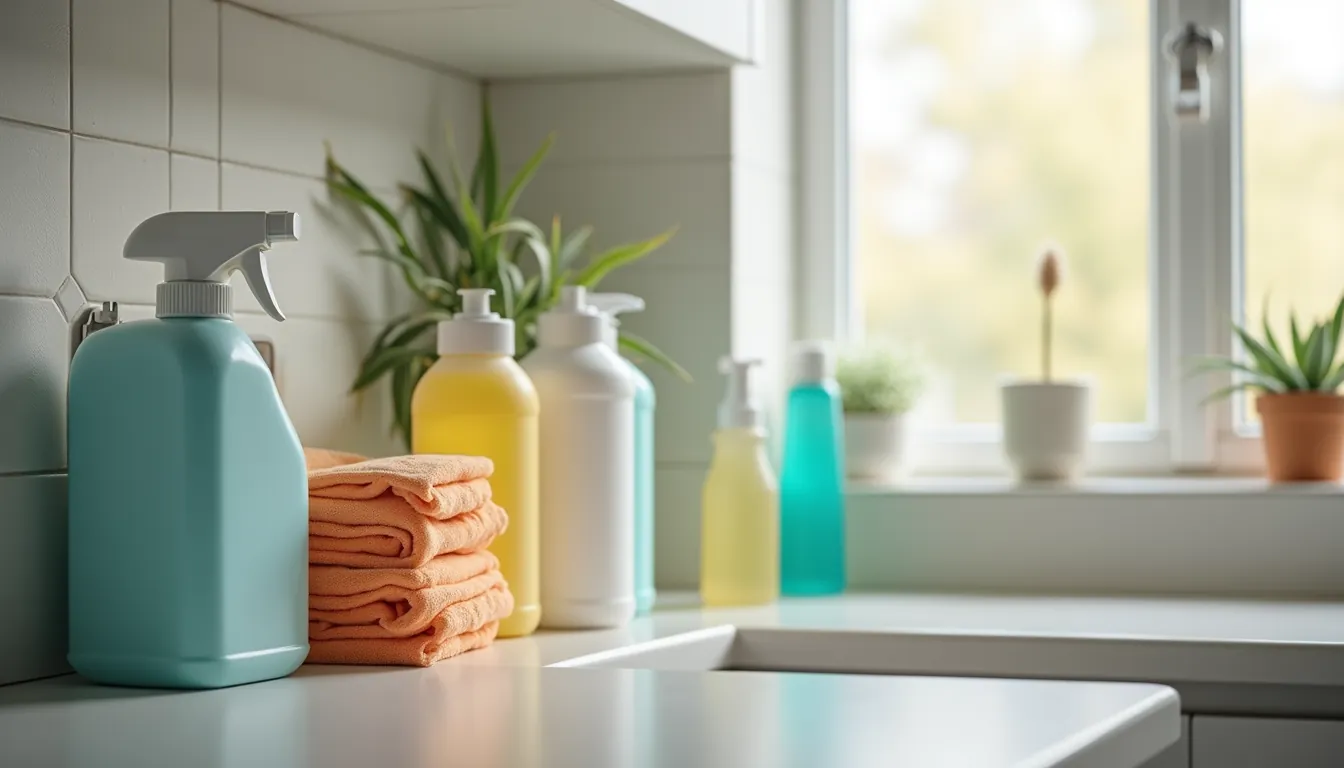
A selection of PFAS-free cleaning products for a healthier home.
Understanding PFAS
PFAS are a group of synthetic chemicals that have been used since the 1940s. They are known for their water- and grease-resistant properties, making them popular in various industries. However, their persistence in the environment and human body has raised significant health concerns.
Health Risks Associated with PFAS
Research has linked PFAS exposure to several health issues, including:
- Hormonal disruption: PFAS can interfere with endocrine functions, potentially leading to reproductive and developmental problems.
- Immune system effects: Studies suggest that PFAS may weaken the immune response, making individuals more susceptible to infections.
- Increased cancer risk: Some studies have shown a correlation between PFAS exposure and certain types of cancer, including kidney and testicular cancer.
Given these risks, it is crucial to minimize exposure to PFAS in our daily lives.
Identifying PFAS in Household Products
PFAS can be found in various household items, including:
- Cookware: Non-stick pans often contain PFAS to enhance their non-stick properties.
- Cleaning products: Many stain-resistant and water-repellent cleaners may contain PFAS.
- Textiles: Upholstery, carpets, and clothing treated for stain resistance may also have PFAS.
- Food packaging: Fast food wrappers and microwave popcorn bags can be coated with PFAS to resist grease.
To make informed choices, look for labels that explicitly state "PFAS-free" or "PFOA-free." Additionally, consider researching brands that prioritize transparency in their ingredient sourcing.
Benefits of Choosing PFAS-Free Products
Switching to PFAS-free products offers several advantages:
- Healthier living environment: Reducing PFAS exposure can lead to better overall health for you and your family.
- Environmental impact: PFAS are persistent pollutants that can contaminate water supplies and ecosystems. Choosing PFAS-free products helps reduce this environmental burden.
- Peace of mind: Knowing that your home is free from harmful chemicals can provide a sense of security and well-being.
Practical Tips for Transitioning to PFAS-Free Products
Making the switch to PFAS-free products may seem daunting, but it can be done gradually. Here are some practical steps to help you transition:
1. Assess Your Current Products
Start by taking inventory of the products you currently use. Check labels for any mention of PFAS or related chemicals. This includes cookware, cleaning supplies, and textiles.
2. Research Alternatives
Once you identify products containing PFAS, research alternatives. Look for brands that are committed to producing PFAS-free items. Websites like the Environmental Working Group (EWG) provide resources and product recommendations.
3. Replace Gradually
You don’t need to replace everything at once. Gradually replace items as they run out. For example, when your non-stick pan wears out, consider switching to stainless steel or cast iron cookware.
4. Choose Natural Cleaning Products
Many conventional cleaning products contain PFAS. Opt for natural cleaning solutions made from vinegar, baking soda, and essential oils. These alternatives are effective and safer for your home.
5. Invest in PFAS-Free Textiles
When purchasing new textiles, such as carpets, upholstery, or clothing, look for items labeled as PFAS-free. Many companies now offer eco-friendly options that are free from harmful chemicals.
6. Be Cautious with Food Packaging
Whenever possible, choose fresh or frozen foods over packaged items. If you must buy packaged foods, look for brands that use PFAS-free packaging.
Supporting Brands Committed to Safety
As consumers, we have the power to influence the market by supporting brands that prioritize safety and transparency. Here are a few companies known for their commitment to PFAS-free products:
- GreenPan Known for its ceramic non-stick cookware, GreenPan offers a range of PFAS-free options.
- Seventh Generation: This brand provides a variety of cleaning products that are free from harmful chemicals, including PFAS.
- Brooklinen Luxe Sateen Sheet Set: The original post named Boll & Branch, but this link goes to Brooklinen Luxe Sateen sheets (OEKO-TEX certified cotton).
By choosing to support these brands, you contribute to a growing movement towards safer consumer products.
The Role of Legislation in PFAS Regulation
In recent years, there has been a push for stricter regulations on PFAS. Several states have enacted laws to limit the use of these chemicals in consumer products. Advocacy groups are also working to raise awareness and push for federal regulations.
What You Can Do
Stay informed about local and national legislation regarding PFAS. Support initiatives that aim to reduce PFAS in consumer products and advocate for stronger regulations. Your voice matters in the fight for a safer environment.
Conclusion
Choosing PFAS-free products is a crucial step towards creating a safer home for you and your family. By understanding the risks associated with PFAS, identifying products that contain these harmful chemicals, and making informed choices, you can significantly reduce your exposure. Remember, every small change contributes to a healthier environment. Start today by assessing your products and making the switch to safer alternatives. Your home deserves to be a sanctuary free from harmful substances.
Questions from this guide
What You Can Do
Stay informed about local and national legislation regarding PFAS. Support initiatives that aim to reduce PFAS in consumer products and advocate for stronger regulations. Your voice matters in the fight for a safer environment.