The Importance of PFAS Awareness for Better Health
No More Forever Chemicals · · · 3 min read

Key takeaways
- Cookware: Non-stick pans often contain PFAS to prevent food from sticking.
- Food packaging: Fast food wrappers, microwave popcorn bags, and pizza boxes may have PFAS to resist grease.
- Water: PFAS can contaminate drinking water near industrial sites or military bases.
- Clothing and textiles: Water-resistant jackets, carpets, and upholstery sometimes use PFAS.
You might have heard the term PFAS before, but do you really know what it means for your health? These chemicals are everywhere. They hide in everyday products and even in the water you drink. Understanding PFAS is key to protecting yourself and your family. Let’s dive into what PFAS are, why they matter, and how you can reduce your exposure.
Why the Importance of PFAS Awareness Matters
PFAS stands for per- and polyfluoroalkyl substances. These are man-made chemicals used since the 1940s. They are in non-stick cookware, water-repellent fabrics, food packaging, and firefighting foams. The problem? PFAS don’t break down easily. They stick around in the environment and your body for years.
Studies link PFAS exposure to health issues like:
- Hormone disruption
- Immune system problems
- Increased cholesterol
- Certain cancers
Knowing about PFAS helps you make smarter choices. You can avoid products that contain these chemicals and reduce your risk. This is why pfas awareness is so important. It empowers you to create a safer home and lifestyle.
How PFAS Enter Your Daily Life
You might be surprised how easily PFAS sneak into your routine. Here are some common sources:
- Cookware: Non-stick pans often contain PFAS to prevent food from sticking.
- Food packaging: Fast food wrappers, microwave popcorn bags, and pizza boxes may have PFAS to resist grease.
- Water: PFAS can contaminate drinking water near industrial sites or military bases.
- Clothing and textiles: Water-resistant jackets, carpets, and upholstery sometimes use PFAS.
- Personal care products: Some cosmetics and dental floss contain PFAS for durability.
The tricky part is that PFAS are not always listed on labels. This makes it harder to avoid them without proper knowledge.
What Foods Are High in PFAS?
Food can be a hidden source of PFAS exposure. Certain foods tend to have higher levels due to packaging or environmental contamination. Here’s what to watch out for:
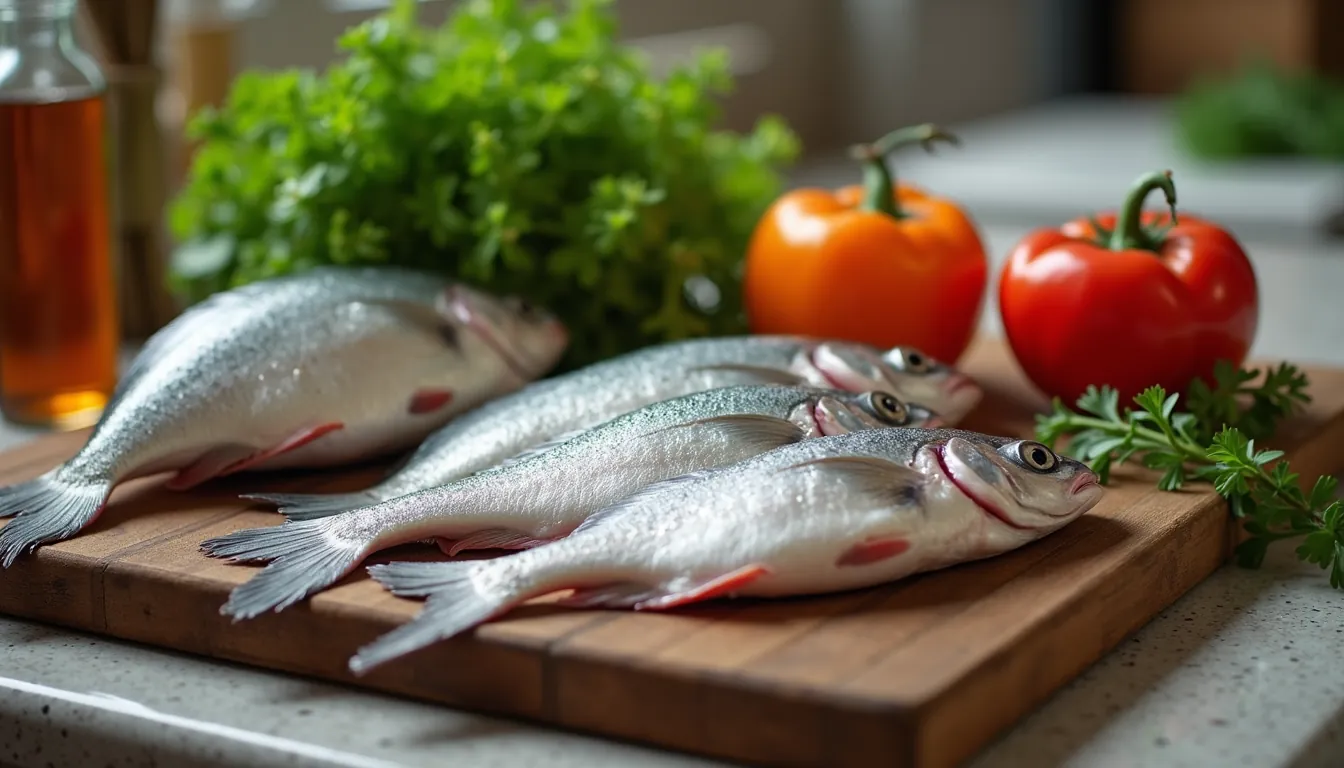
- Fish and shellfish: These can accumulate PFAS from polluted water.
- Fast food: Items wrapped in grease-resistant paper often contain PFAS.
- Microwave popcorn: The bags are treated with PFAS to prevent oil leaks.
- Processed foods: Some processed snacks and baked goods use PFAS-coated packaging.
To reduce your intake, try these tips:
- Choose fresh or frozen fish from clean waters.
- Avoid fast food or bring your own meals.
- Pop popcorn in a regular pot instead of microwave bags.
- Opt for unpackaged or minimally packaged snacks.
Practical Steps to Reduce PFAS Exposure at Home
You don’t have to overhaul your life to lower PFAS risks. Small changes add up. Here’s what you can do:
- Switch cookware: Use stainless steel, cast iron, or ceramic instead of non-stick pans.
- Check water quality: Test your tap water for PFAS, especially if you live near industrial areas. Use a certified water filter that removes PFAS.
- Read labels: Avoid products with “fluoro” or “perfluoro” in the ingredients.
- Choose natural fabrics: Pick cotton, wool, or linen over water-resistant synthetic textiles.
- Limit fast food: Prepare meals at home to avoid PFAS in packaging.
- Avoid stain-resistant treatments: Skip carpets and furniture treated with PFAS-based chemicals.
By taking these steps, you create a healthier environment for your family.
Staying Informed and Taking Action
PFAS research is ongoing, and regulations are evolving. Staying informed helps you adapt and protect your health. Here’s how to keep up:
- Follow trusted sources like environmental health organizations.
- Support policies that limit PFAS use and contamination.
- Share what you learn with friends and family.
- Advocate for clean water and safer products in your community.
Remember, awareness is the first step toward change. The more people understand PFAS, the stronger the push for safer alternatives.
Creating a Safer Future Together
PFAS are a hidden threat, but you have the power to fight back. By learning about these chemicals and making smart choices, you protect your health and your loved ones. It’s not about fear; it’s about action.
Start today by exploring ways to reduce PFAS in your home. Every small step counts. Together, we can build a world free from forever chemicals.
Stay curious. Stay safe. And keep spreading the word about the importance of PFAS awareness.
For more detailed guides and product recommendations, visit No More Forever Chemicals and join the movement toward a cleaner, healthier home.
Questions from this guide
Why the Importance of PFAS Awareness Matters
PFAS stands for per- and polyfluoroalkyl substances. These are man-made chemicals used since the 1940s. They are in non-stick cookware, water-repellent fabrics, food packaging, and firefighting foams. The problem? PFAS don’t break down easily. They stick around in the environment and your body for years. Studies link PFAS exposure to health issues like: - Hormone disruption - Immune system problems - Increased cholesterol - Certain cancers Knowing about PFAS helps you make smarter choices.
How PFAS Enter Your Daily Life
You might be surprised how easily PFAS sneak into your routine. Here are some common sources: - Cookware: Non-stick pans often contain PFAS to prevent food from sticking. - Food packaging: Fast food wrappers, microwave popcorn bags, and pizza boxes may have PFAS to resist grease. - Water: PFAS can contaminate drinking water near industrial sites or military bases. - Clothing and textiles: Water-resistant jackets, carpets, and upholstery sometimes use PFAS.
What Foods Are High in PFAS?
Food can be a hidden source of PFAS exposure. Certain foods tend to have higher levels due to packaging or environmental contamination. Here’s what to watch out for: - Fish and shellfish: These can accumulate PFAS from polluted water. - Fast food: Items wrapped in grease-resistant paper often contain PFAS. - Microwave popcorn: The bags are treated with PFAS to prevent oil leaks. - Processed foods: Some processed snacks and baked goods use PFAS-coated packaging. To reduce your intake, try these tips: 1.