The Importance of PFAS Awareness: Why PFAS Awareness Matters Today
No More Forever Chemicals · · · 4 min read
Key takeaways
- Fish and shellfish: Especially from polluted waters, they can accumulate PFAS in their bodies.
- Fast food and takeout: Many wrappers and containers use PFAS to resist grease and moisture.
- Dairy products: Sometimes, PFAS can enter milk and cheese through contaminated feed or water.
- Produce: Fruits and vegetables grown in contaminated soil or irrigated with polluted water may carry PFAS.
You might have heard the term PFAS before, but do you really know why it matters? These chemicals are everywhere, and they don’t break down easily. That means they stick around in our environment and bodies for a long time. Today, I want to share why understanding PFAS is crucial for your health and your family’s safety.
Understanding the Importance of PFAS
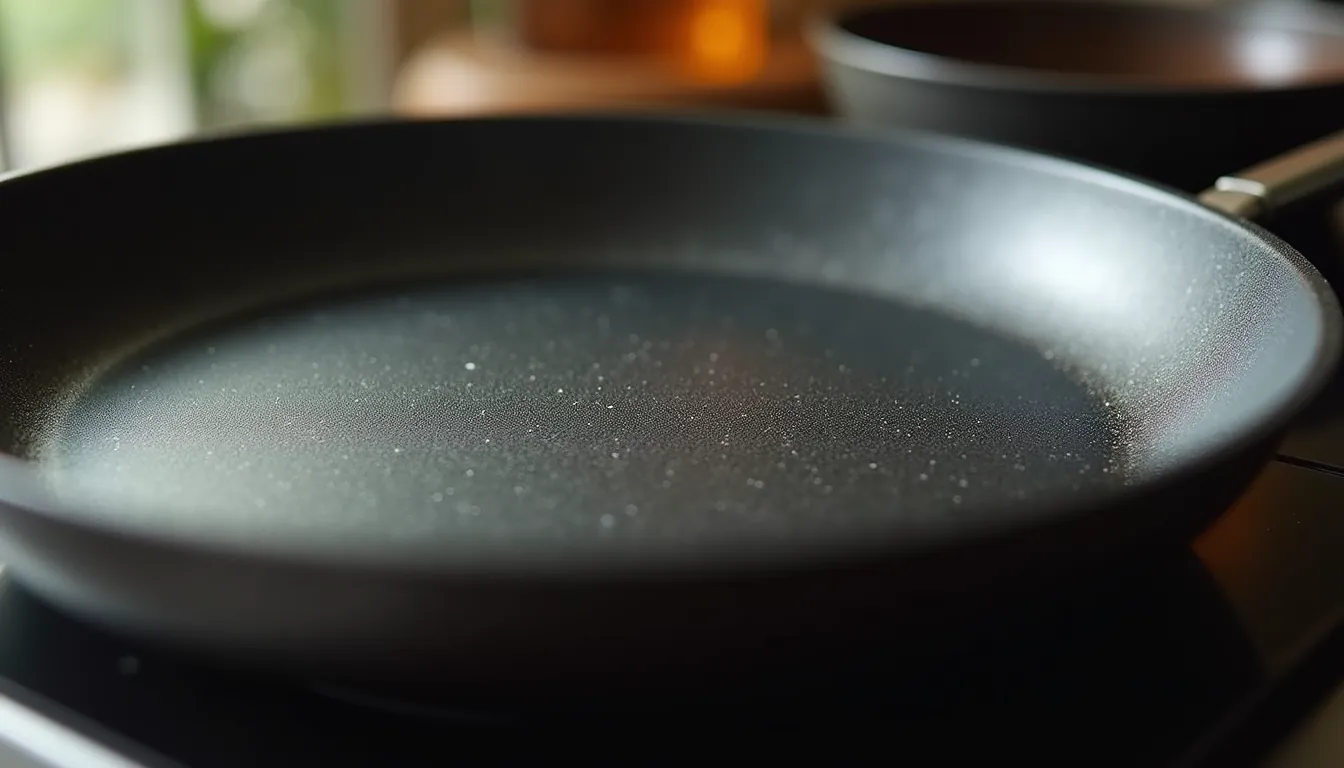
PFAS stands for per- and polyfluoroalkyl substances. These are man-made chemicals used in many products because they resist heat, water, and oil. You’ll find them in non-stick cookware, water-repellent clothing, food packaging, and even firefighting foam. Sounds useful, right? But here’s the catch: PFAS are often called “forever chemicals” because they don’t break down naturally.
Why should you care? Because PFAS can build up in your body over time. Studies link them to health problems like thyroid disease, immune system issues, and even some cancers. The more you know about PFAS, the better you can protect yourself and your loved ones.
Why the Importance of PFAS Is Growing
You might wonder why PFAS is suddenly a hot topic. The truth is, we’re just beginning to understand how widespread and harmful these chemicals are. Governments and scientists worldwide are raising alarms. Some states have started regulating PFAS in drinking water and consumer products.
The problem is, PFAS contamination is hard to detect and even harder to remove. Water treatment plants often can’t filter them out completely. That means PFAS can end up in your tap water, soil, and even the air you breathe. This growing awareness is pushing for better laws and safer alternatives.
So, what can you do? Start by learning where PFAS hide and how to avoid them. This knowledge is your first line of defense.
What Foods Are High in PFAS?
You might be surprised to learn that some foods can contain PFAS. These chemicals can get into food through contaminated water, soil, or packaging. Here are some common examples:
- Fish and shellfish: Especially from polluted waters, they can accumulate PFAS in their bodies.
- Fast food and takeout: Many wrappers and containers use PFAS to resist grease and moisture.
- Dairy products: Sometimes, PFAS can enter milk and cheese through contaminated feed or water.
- Produce: Fruits and vegetables grown in contaminated soil or irrigated with polluted water may carry PFAS.
To reduce your exposure, try these tips:
- Choose fresh, unpackaged foods when possible.
- Wash fruits and vegetables thoroughly.
- Limit consumption of fish from areas known for pollution.
- Avoid fast food or packaged snacks with greasy wrappers.
Being mindful about your food choices can make a big difference in lowering your PFAS intake.
How to Reduce PFAS Exposure at Home
You don’t have to feel powerless against PFAS. There are practical steps you can take right now to create a safer home environment:
- Check your cookware: Avoid non-stick pans that contain PFAS. Opt for stainless steel, cast iron, or ceramic instead.
- Filter your water: Use water filters certified to reduce PFAS. Look for activated carbon or reverse osmosis systems.
- Read labels: Avoid products labeled as stain-resistant, water-repellent, or grease-proof unless you know they are PFAS-free.
- Choose safer textiles: Look for clothing and furniture without PFAS treatments.
- Stay informed: Follow updates from trusted sources about PFAS regulations and safer alternatives.
Taking these steps helps you reduce your family’s chemical load and supports a healthier lifestyle.
The Role of Community and Advocacy
Individual actions matter, but collective effort is even stronger. Communities are pushing for better testing, stricter regulations, and cleanup of contaminated sites. You can join this movement by:
- Supporting local water quality initiatives.
- Contacting your representatives to demand PFAS regulation.
- Sharing reliable information about PFAS with friends and family.
Raising awareness helps protect everyone. If you want to learn more or get involved, check out resources dedicated to pfas awareness.
Taking Control of Your Health Today
PFAS are a hidden threat, but you don’t have to be a victim. By understanding what PFAS are, where they hide, and how to avoid them, you take control of your health. It’s about making smart choices every day - from the food you eat to the products you bring into your home.
Remember, knowledge is power. The more you know, the better you can protect yourself and your family from these forever chemicals. Start small, stay consistent, and watch how your home becomes a safer, healthier place.
Your health is worth it.
Empower yourself with knowledge and take action today to reduce PFAS exposure. Together, we can create a future free from forever chemicals.
Questions from this guide
Why the Importance of PFAS Is Growing
You might wonder why PFAS is suddenly a hot topic. The truth is, we’re just beginning to understand how widespread and harmful these chemicals are. Governments and scientists worldwide are raising alarms. Some states have started regulating PFAS in drinking water and consumer products. The problem is, PFAS contamination is hard to detect and even harder to remove. Water treatment plants often can’t filter them out completely. That means PFAS can end up in your tap water, soil, and even the air you breathe.
What Foods Are High in PFAS?
You might be surprised to learn that some foods can contain PFAS. These chemicals can get into food through contaminated water, soil, or packaging. Here are some common examples: - Fish and shellfish: Especially from polluted waters, they can accumulate PFAS in their bodies. - Fast food and takeout: Many wrappers and containers use PFAS to resist grease and moisture. - Dairy products: Sometimes, PFAS can enter milk and cheese through contaminated feed or water.
How to Reduce PFAS Exposure at Home
You don’t have to feel powerless against PFAS. There are practical steps you can take right now to create a safer home environment: - Check your cookware: Avoid non-stick pans that contain PFAS. Opt for stainless steel, cast iron, or ceramic instead. - Filter your water: Use water filters certified to reduce PFAS. Look for activated carbon or reverse osmosis systems. - Read labels: Avoid products labeled as stain-resistant, water-repellent, or grease-proof unless you know they are PFAS-free.