Top Resources to Learn About PFAS: Your Guide to Understanding Forever Chemicals
No More Forever Chemicals · · · 4 min read
Key takeaways
- Environmental Protection Agency (EPA): The EPA provides detailed information on PFAS, including health effects, regulations, and cleanup efforts. Their website is easy to navigate and updated regularly.
- Centers for Disease Control and Prevention (CDC): The CDC offers insights into how PFAS affect health and how to reduce exposure.
- Agency for Toxic Substances and Disease Registry (ATSDR): This agency dives deep into the science behind PFAS and offers fact sheets and health guides.
- Environmental Working Group (EWG): EWG tracks PFAS contamination and offers guides on avoiding these chemicals in everyday products.
If you’ve heard about PFAS and wondered what they are, you’re not alone. These chemicals, often called "forever chemicals," are everywhere. They don’t break down easily and can stick around in your home, water, and even your body. But how do you learn more about them? Where do you find trustworthy information? I’ve gathered the best resources to help you understand PFAS and take steps to protect your family.
PFAS Understanding Resources: Where to Start
PFAS stands for per- and polyfluoroalkyl substances. These man-made chemicals have been used in many products since the 1940s. They’re in non-stick cookware, water-repellent fabrics, firefighting foams, and even some food packaging. Because they don’t break down, they build up in the environment and in people.
To get a clear picture, start with reliable sources. Government agencies, scientific organizations, and environmental groups offer solid facts. Here are some top places to begin:
- Environmental Protection Agency (EPA): The EPA provides detailed information on PFAS, including health effects, regulations, and cleanup efforts. Their website is easy to navigate and updated regularly.
- Centers for Disease Control and Prevention (CDC): The CDC offers insights into how PFAS affect health and how to reduce exposure.
- Agency for Toxic Substances and Disease Registry (ATSDR): This agency dives deep into the science behind PFAS and offers fact sheets and health guides.
These sites are a great starting point. They explain complex science in simple terms and offer practical advice.
Trusted Nonprofit and Educational Resources
Beyond government sites, nonprofits and universities provide excellent resources. They often focus on community education and advocacy. Here are some you should check out:
- Environmental Working Group (EWG): EWG tracks PFAS contamination and offers guides on avoiding these chemicals in everyday products.
- Silent Spring Institute: This nonprofit conducts research on environmental health, including PFAS exposure in homes.
- University Research Centers: Many universities have dedicated PFAS research programs. They publish reports and host webinars that break down the latest findings.
These organizations often share stories from people affected by PFAS. They also provide tips on how to reduce exposure at home, like choosing safer products and testing your water.
How to Use Online Tools and Databases
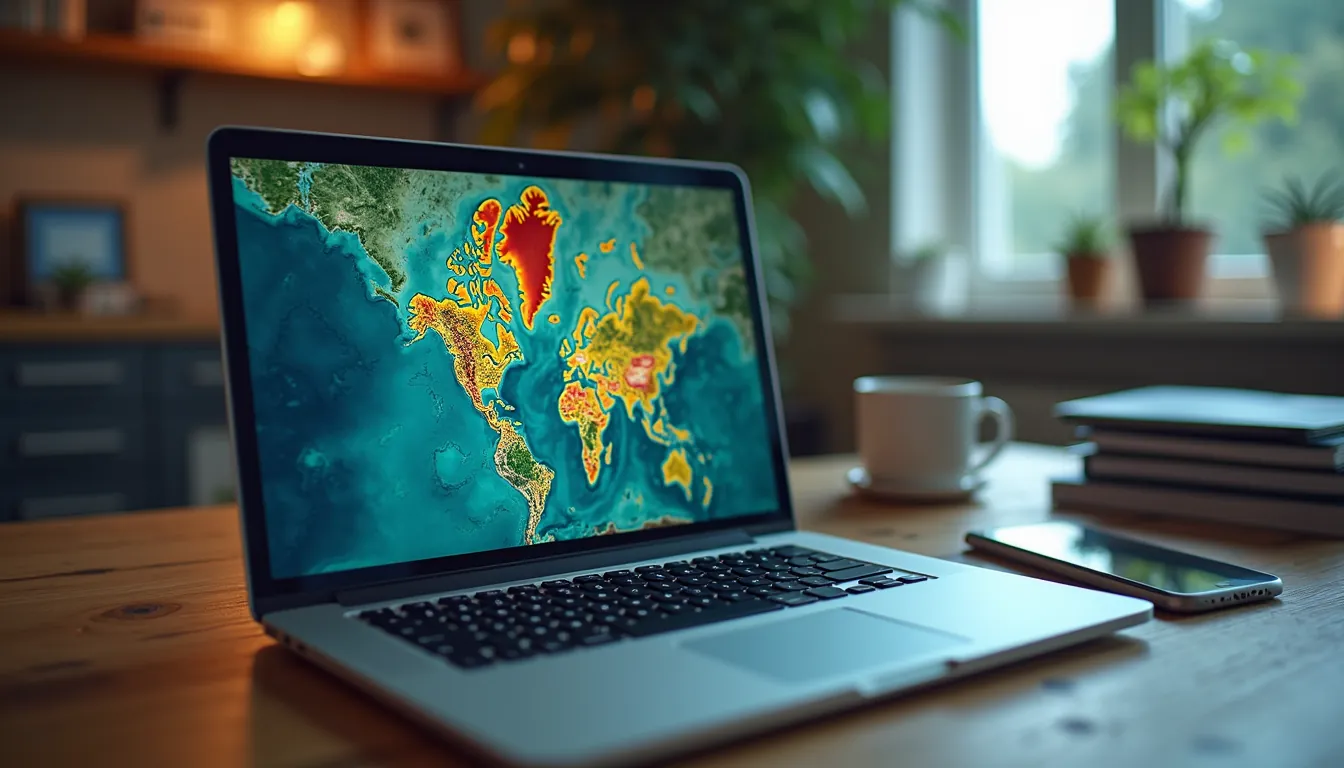
Want to dig deeper? Several online tools help you explore PFAS contamination in your area. These resources can show you if your local water supply or soil has been tested for PFAS.
- EPA’s PFAS Data Hub: This interactive tool lets you search for PFAS data by state or county.
- State Environmental Agencies: Many states have their own databases and maps showing PFAS contamination sites.
- Local Water Utility Reports: Check your water provider’s annual water quality report. Some include PFAS testing results.
Using these tools can feel overwhelming, but they empower you to ask the right questions. For example, if your water has PFAS, you can look into filtration options or bottled water alternatives.
Practical Steps to Protect Your Home and Family
Learning about PFAS is just the first step. What can you do to reduce your family’s exposure? Here are some practical tips:
- Check Your Water: If you suspect PFAS contamination, get your water tested. Use certified labs that specialize in PFAS analysis.
- Use Water Filters: Not all filters remove PFAS. Look for filters with activated carbon or reverse osmosis systems certified to reduce PFAS.
- Choose PFAS-Free Products: Avoid non-stick cookware, stain-resistant fabrics, and fast-food packaging that may contain PFAS.
- Stay Informed: Follow updates from trusted sources. Regulations and recommendations change as new research emerges.
- Advocate Locally: Support policies and initiatives aimed at reducing PFAS pollution in your community.
Taking these steps can feel empowering. You’re not just learning about PFAS—you’re acting to create a safer home.
Where to Find More In-Depth Information
If you want to go beyond the basics, there are excellent books, scientific papers, and documentaries that explore PFAS in detail. These resources provide a deeper understanding of the history, science, and impact of these chemicals.
- Books: Titles like “Slow Death by Rubber Duck” and “Forever Chemicals” offer engaging reads on chemical exposure and PFAS.
- Scientific Journals: For those comfortable with technical language, journals like Environmental Science & Technology publish the latest research.
- Documentaries: Films such as “The Devil We Know” tell the story of PFAS contamination and its effects on communities.
Remember, not all information online is accurate. Always check the credibility of the source before trusting what you read or watch.
For a comprehensive and trustworthy guide, I recommend visiting this about pfas resource to get started.
Taking Control of Your Environment
Understanding PFAS is the first step toward a healthier home. With the right resources, you can learn how to spot these chemicals and reduce your family’s exposure. It’s about making informed choices every day.
Remember, knowledge is power. The more you know, the better you can protect your loved ones from these persistent chemicals. Keep exploring, stay curious, and take action. Your home can be a safe haven free from forever chemicals.
By using these top resources and practical tips, you’re well on your way to mastering PFAS knowledge. Stay vigilant, stay informed, and create a safer space for your family.
Questions from this guide
How to Use Online Tools and Databases
Want to dig deeper? Several online tools help you explore PFAS contamination in your area. These resources can show you if your local water supply or soil has been tested for PFAS. - EPA’s PFAS Data Hub: This interactive tool lets you search for PFAS data by state or county. - State Environmental Agencies: Many states have their own databases and maps showing PFAS contamination sites. - Local Water Utility Reports: Check your water provider’s annual water quality report. Some include PFAS testing results.
Where to Find More In-Depth Information
If you want to go beyond the basics, there are excellent books, scientific papers, and documentaries that explore PFAS in detail. These resources provide a deeper understanding of the history, science, and impact of these chemicals. - Books: Titles like “Slow Death by Rubber Duck” and “Forever Chemicals” offer engaging reads on chemical exposure and PFAS. - Scientific Journals: For those comfortable with technical language, journals like Environmental Science & Technology publish the latest research.