Understanding PFAS Chemicals Guide: What You Need to Know
No More Forever Chemicals · · · 4 min read
Key takeaways
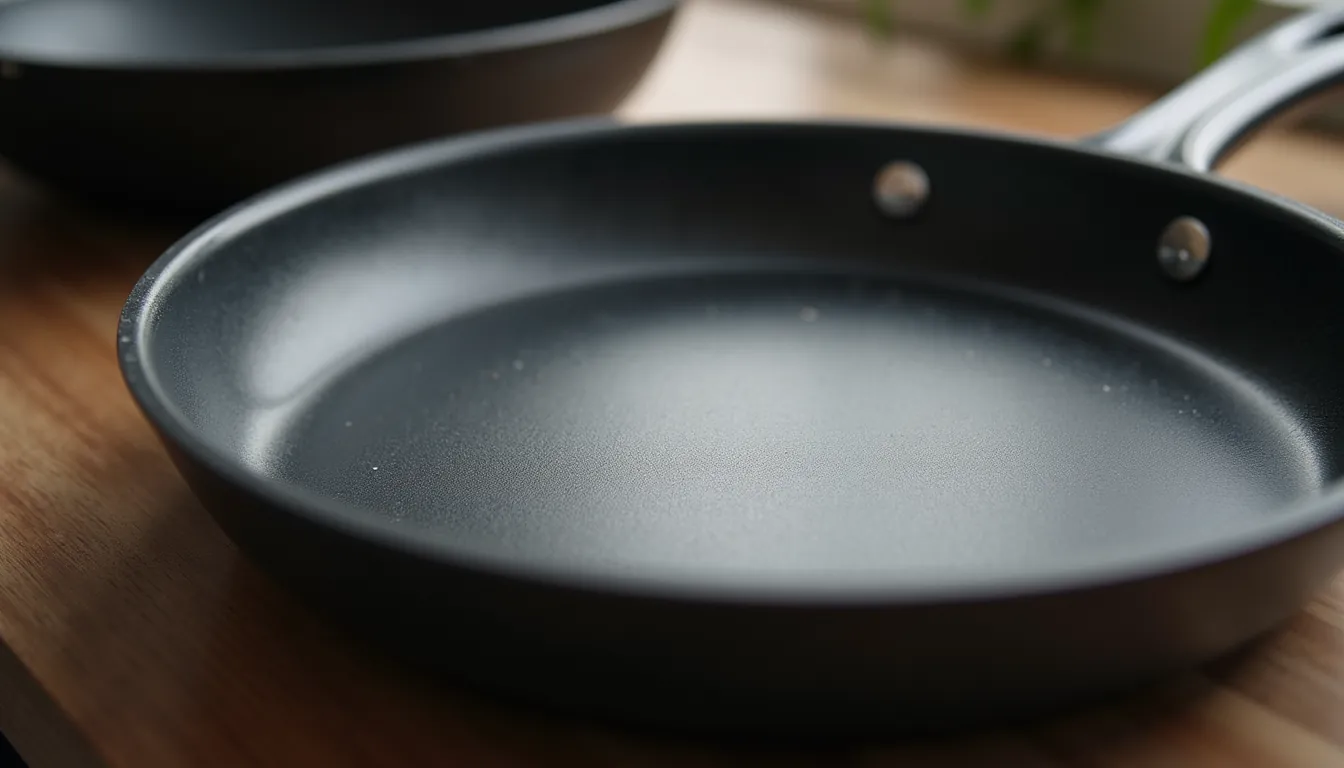
- Non-stick cookware (like Teflon)
- Water-repellent clothing and gear
- Food packaging (especially fast food wrappers)
- Stain-resistant carpets and upholstery
You’ve probably heard the term PFAS before, but what exactly are these chemicals? Why are they called "forever chemicals"? And how do they affect your health and home? I’m here to break it down for you in simple terms. This guide will help you understand PFAS chemicals and what you can do to protect yourself and your family.
PFAS stands for per- and polyfluoroalkyl substances. These are man-made chemicals used in many everyday products because they resist heat, water, and oil. Sounds useful, right? But here’s the catch - PFAS don’t break down easily. They stick around in the environment and your body for a long time. That’s why they’re called forever chemicals.
Let’s dive into what PFAS are, where you find them, their health effects, and practical steps you can take to reduce exposure.
What Are PFAS Chemicals? A Simple Explanation
PFAS are a large group of chemicals with similar structures. They have strong carbon-fluorine bonds, which make them very stable and resistant to breaking down. This stability is why they last so long in the environment and in your body.
You’ll find PFAS in:
- Non-stick cookware (like Teflon)
- Water-repellent clothing and gear
- Food packaging (especially fast food wrappers)
- Stain-resistant carpets and upholstery
- Firefighting foams used at airports and military bases
Because they are so useful, PFAS have been used since the 1940s. But now, scientists are concerned about their persistence and potential harm.
Why Should You Care About PFAS? The Health Risks
PFAS can build up in your body over time. Studies link exposure to several health problems, including:
- Immune system issues - PFAS may reduce your body’s ability to fight infections.
- Hormone disruption - They can interfere with how your hormones work.
- Increased cholesterol - Some PFAS raise bad cholesterol levels.
- Cancer risk - Certain PFAS have been linked to kidney and testicular cancer.
- Developmental problems - Exposure during pregnancy may affect babies’ growth.
The scary part? PFAS exposure often happens without you knowing it. They can contaminate drinking water, food, and even household dust.
You might wonder, “How do I know if I’m exposed?” Unfortunately, PFAS don’t have a smell or taste. Testing your water or products is the only way to be sure.
How PFAS Enter Your Home and Body
Understanding how PFAS get into your life helps you avoid them. Here are the main ways:
Drinking Water
PFAS can contaminate water near industrial sites, military bases, or airports where firefighting foam was used. If your water source is affected, you might be drinking PFAS every day.
Food
PFAS can migrate from food packaging into your meals. Fast food wrappers, microwave popcorn bags, and pizza boxes often contain PFAS to resist grease.
Household Items
Many stain-resistant carpets, furniture, and textiles contain PFAS. When these items wear down, tiny particles with PFAS can become dust you breathe in.
Personal Care Products
Some cosmetics, lotions, and dental floss contain PFAS to improve texture or durability.
Practical Steps to Reduce PFAS Exposure
You don’t have to feel powerless. Here are some simple actions you can take right now:
-
Test Your Water
Get your tap water tested for PFAS, especially if you live near known contamination sites. Use a certified lab for accurate results.
-
Use Water Filters
Install a water filter certified to remove PFAS. Look for filters with activated carbon or reverse osmosis technology.
-
Choose PFAS-Free Products
Check labels and avoid products that list PTFE, PFOA, or other PFAS-related chemicals. Opt for natural fibers and untreated cookware.
-
Limit Fast Food and Packaged Foods
Reduce consumption of foods wrapped in grease-resistant packaging. Cook fresh meals at home when possible.
-
Clean Regularly
Dust and vacuum often using a HEPA filter vacuum to reduce PFAS-containing dust in your home.
-
Advocate for Change
Support policies and companies working to phase out PFAS. Your voice matters in pushing for safer products.
What to Look for When Buying Products
When shopping, keep an eye out for these tips:
- Avoid non-stick pans labeled with PTFE or PFOA.
- Choose clothing and gear made from natural fibers like cotton or wool.
- Look for certifications or labels that say “PFAS-free.”
- Be cautious with cosmetics and personal care items; check ingredient lists online.
- Ask retailers about their PFAS policies.
By making informed choices, you reduce your family’s chemical load and create a safer home environment.
Staying Informed and Taking Action
PFAS are complex, but you don’t have to navigate this alone. Resources like the pfas blog offer up-to-date information and product recommendations. Staying informed helps you make smart decisions.
Remember, every small step counts. Reducing PFAS exposure is about protecting your health today and for the future. It’s about creating a home where you feel safe and confident.
Moving Forward: Creating a PFAS-Free Home
You’ve learned what PFAS are, why they matter, and how to avoid them. Now, it’s time to take action. Start with testing your water and swapping out high-risk products. Share what you know with friends and family. Together, we can reduce the impact of forever chemicals.
Your health and your family’s well-being are worth it. Keep learning, stay vigilant, and build a home free from harmful PFAS chemicals. The journey to a safer, non-toxic home starts with you.
Questions from this guide
What Are PFAS Chemicals? A Simple Explanation
PFAS are a large group of chemicals with similar structures. They have strong carbon-fluorine bonds, which make them very stable and resistant to breaking down. This stability is why they last so long in the environment and in your body.
Why Should You Care About PFAS? The Health Risks
PFAS can build up in your body over time. Studies link exposure to several health problems, including: - Immune system issues - PFAS may reduce your body’s ability to fight infections. - Hormone disruption - They can interfere with how your hormones work. - Increased cholesterol - Some PFAS raise bad cholesterol levels. - Cancer risk - Certain PFAS have been linked to kidney and testicular cancer. - Developmental problems - Exposure during pregnancy may affect babies’ growth. The scary part?
How PFAS Enter Your Home and Body
Understanding how PFAS get into your life helps you avoid them. Here are the main ways:
What to Look for When Buying Products
When shopping, keep an eye out for these tips: - Avoid non-stick pans labeled with PTFE or PFOA. - Choose clothing and gear made from natural fibers like cotton or wool. - Look for certifications or labels that say “PFAS-free.” - Be cautious with cosmetics and personal care items; check ingredient lists online. - Ask retailers about their PFAS policies. By making informed choices, you reduce your family’s chemical load and create a safer home environment.